

Protecting Britain’s Sharks
UK sharks regulate marine food chains, remove weak prey, support biodiversity, and help keep Britain’s seas balanced, resilient, and healthy.
Although many people associate sharks with warmer climates, more than 40 species can be found around the British Isles, ranging from smaller domestic cat sharks to larger migratory visitors such as blue sharks, porbeagles and basking sharks.
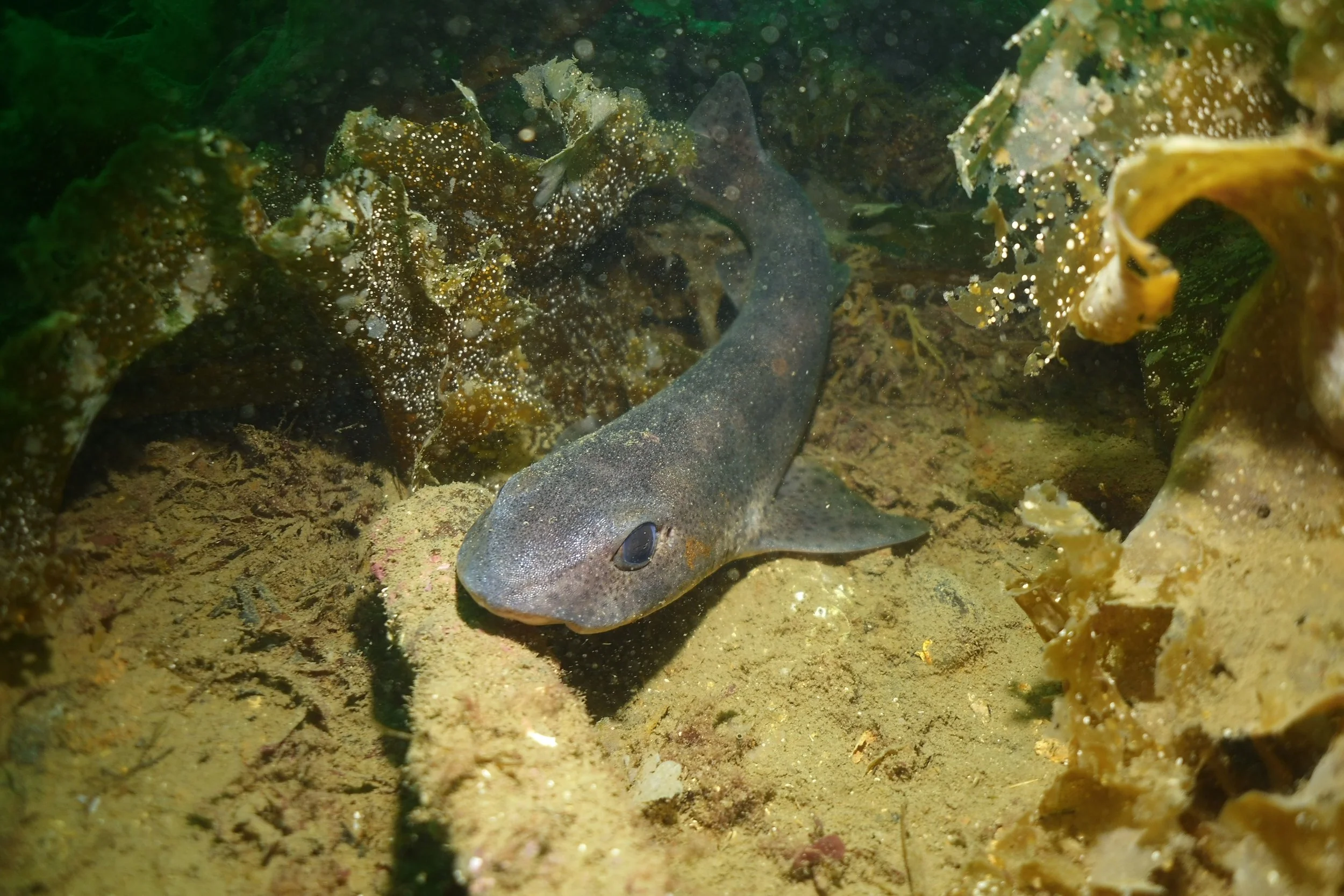
Catshark - Scotland UK
Why Sharks Matter To Us
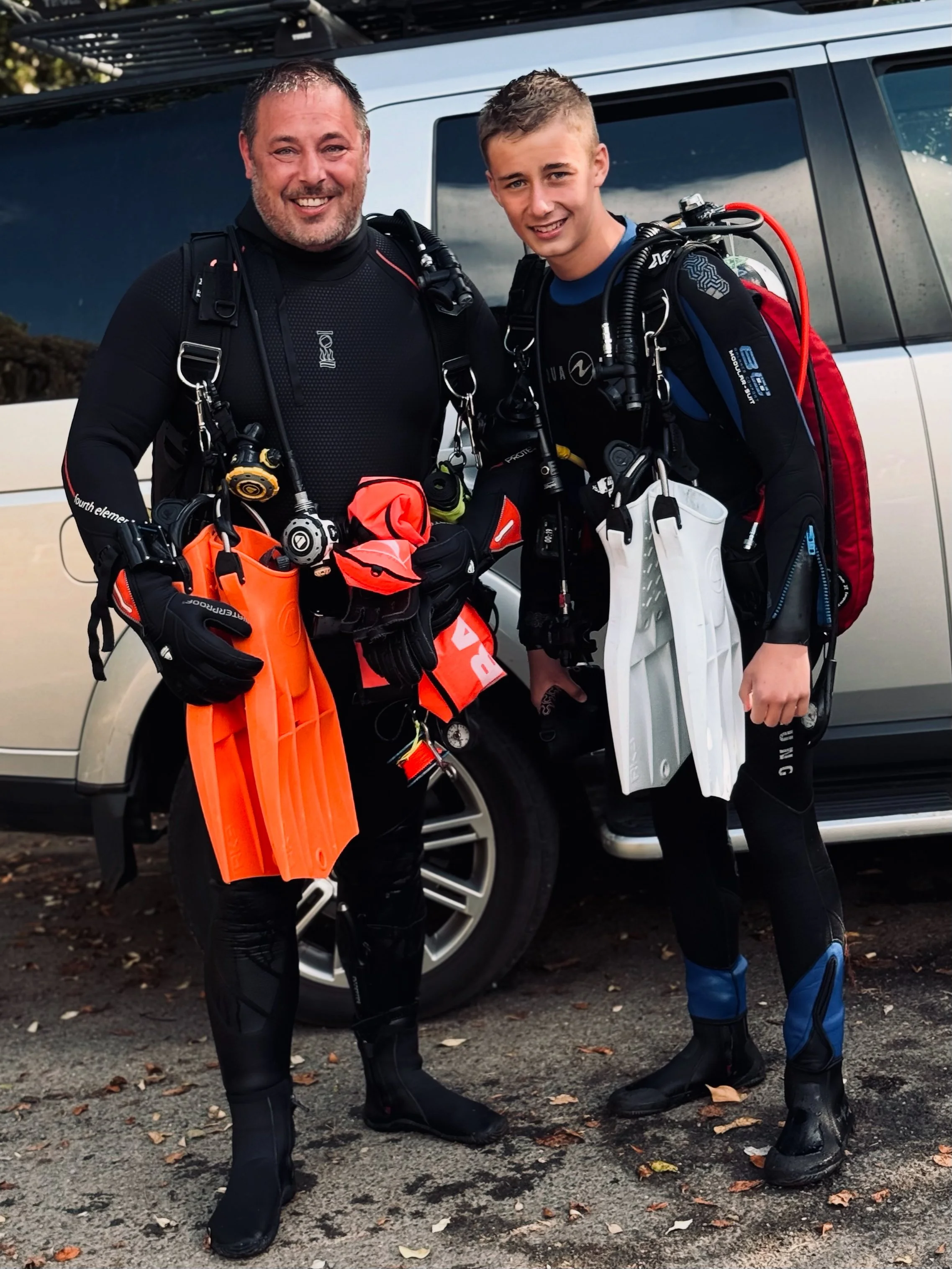
Over the years, SEPE Diving owner and lead instructor Steve, along with his son James, have developed a particular interest in shark conservation through numerous exciting trips to the south coast and other UK shores, with much of their time of late being spent off the sandy beaches of Weymouth in Dorset, Plymouth in Devon, and Newquay, Falmouth and St Ives in Cornwall.
During almost all of these trips, Steve, James and other members of SEPE Diving have spent significant time looking for signs of shark activity, observing local marine habitats and assessing the general health of the environment in which many of our sharks and other sea life depend.
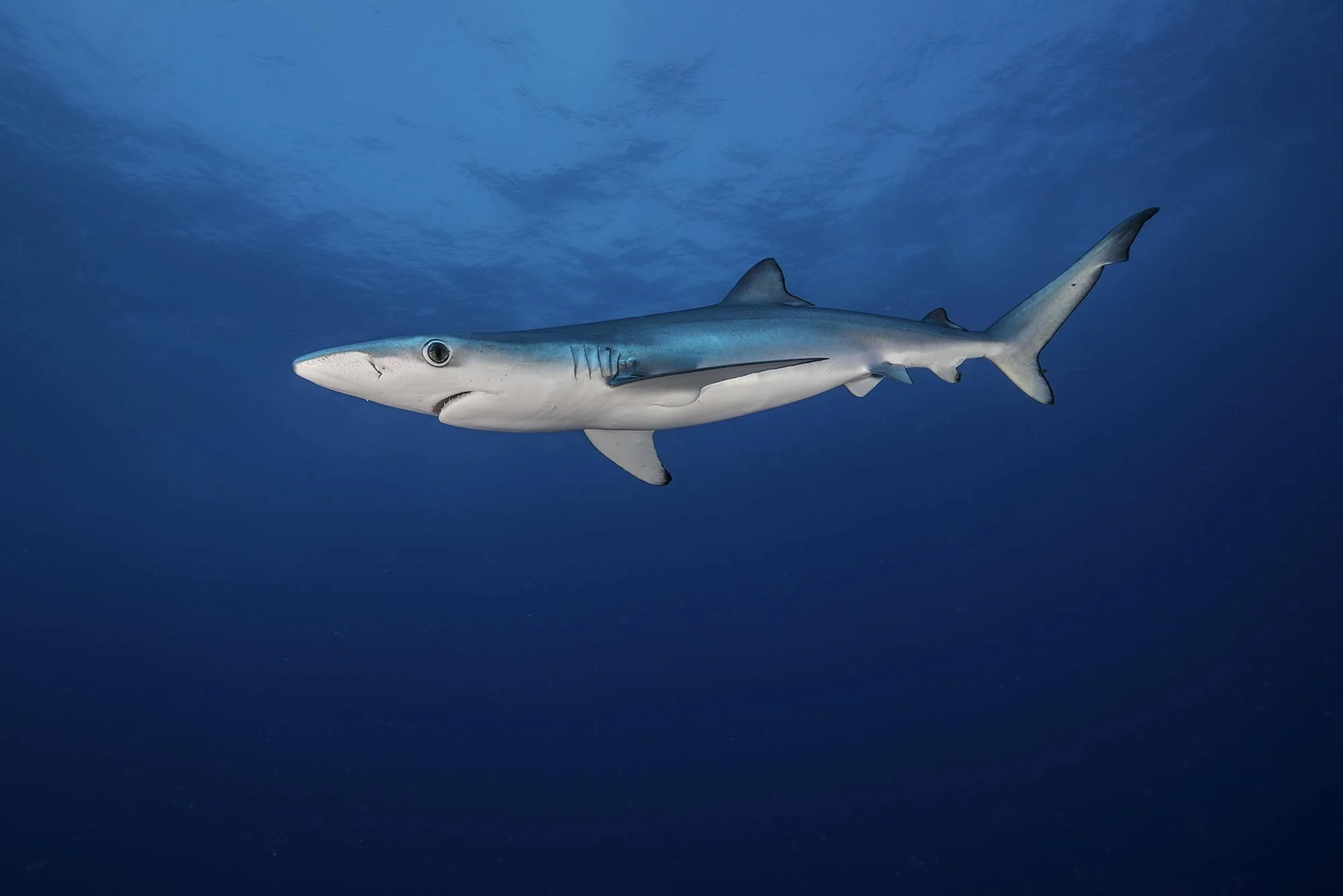
Blue Shark - UK
For Steve and James, their experience is not simply about getting in the water and finding sharks, it’s about learning how such populations are impacted by issues such as water quality, fishing, pollution, the availability of prey and ultimately human disturbance.
Even when no sharks are seen, recorded observations of fish, seabirds, egg cases and other wildlife are submitted online, reports which are then used to provide both researchers and marine biologists alike with useful clues about the condition of our local ecosystems.

James Earnshaw taking a well deserved break from shark spotting
Why Sharks Are Losing The Fight
Since the 1970’s global oceanic shark populations have plummeted by roughly 71%, primarily due to over fishing.
Sharks play a critical role in keeping global marine food chains balanced, but unfortunately, many species face increasing pressure from overfishing, by-catch, plastic pollution and the loss of important breeding and feeding grounds. Because many shark species grow incredibly slow, and produce relatively fewer young, depleted populations can sadly take years to recover.
Sharks grow slowly because their bodies are adapted for long lives rather than rapid reproduction. Because of this, they have slow metabolisms, mature late and invest a lot of energy in producing a small number of well-developed young unlike other boney fish. Many species also live in relatively stable environments where rapid growth is a lot less necessary.
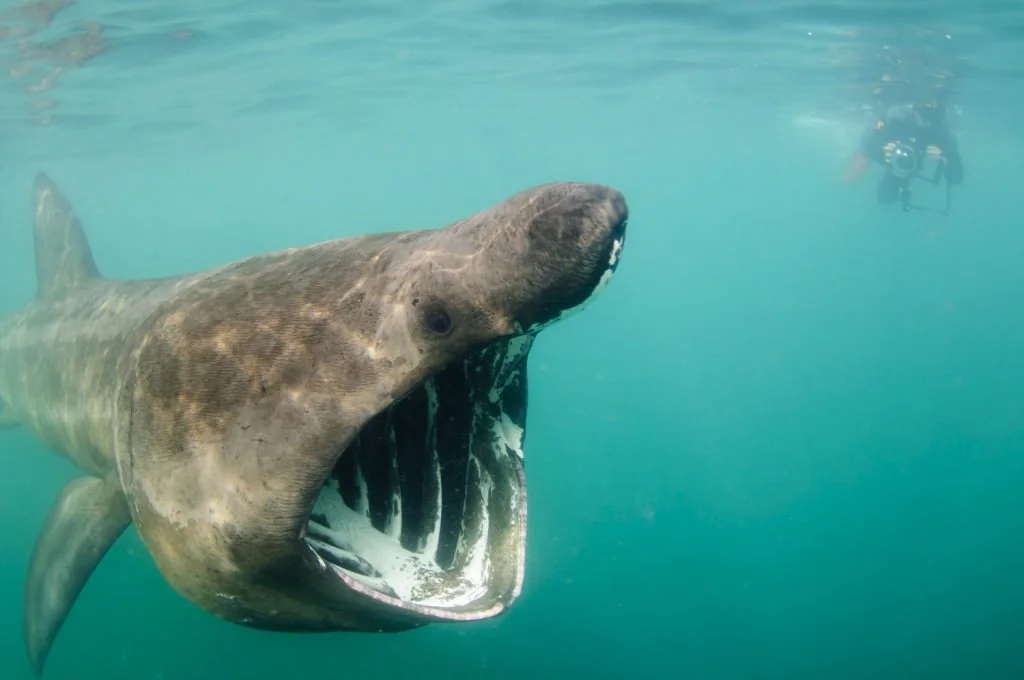
Basking Shark - UK
What Can We do To Help?
There are numerous basic human adaptations which we can all embrace to help keep local shark populations healthy. An example of this would be committing to limiting the use of problematic single-use plastics, responsibly disposing of unwanted fishing equipment, and supporting sustainably sourced seafood choices.
Divers, anglers, sailors and coastal visitors can continue to provide vital support to worthy conservational causes by recording their shark sightings, including the locations of any washed-up egg cases suspected to belong to either sharks or rays, to recognised projects like the Shark Trust.
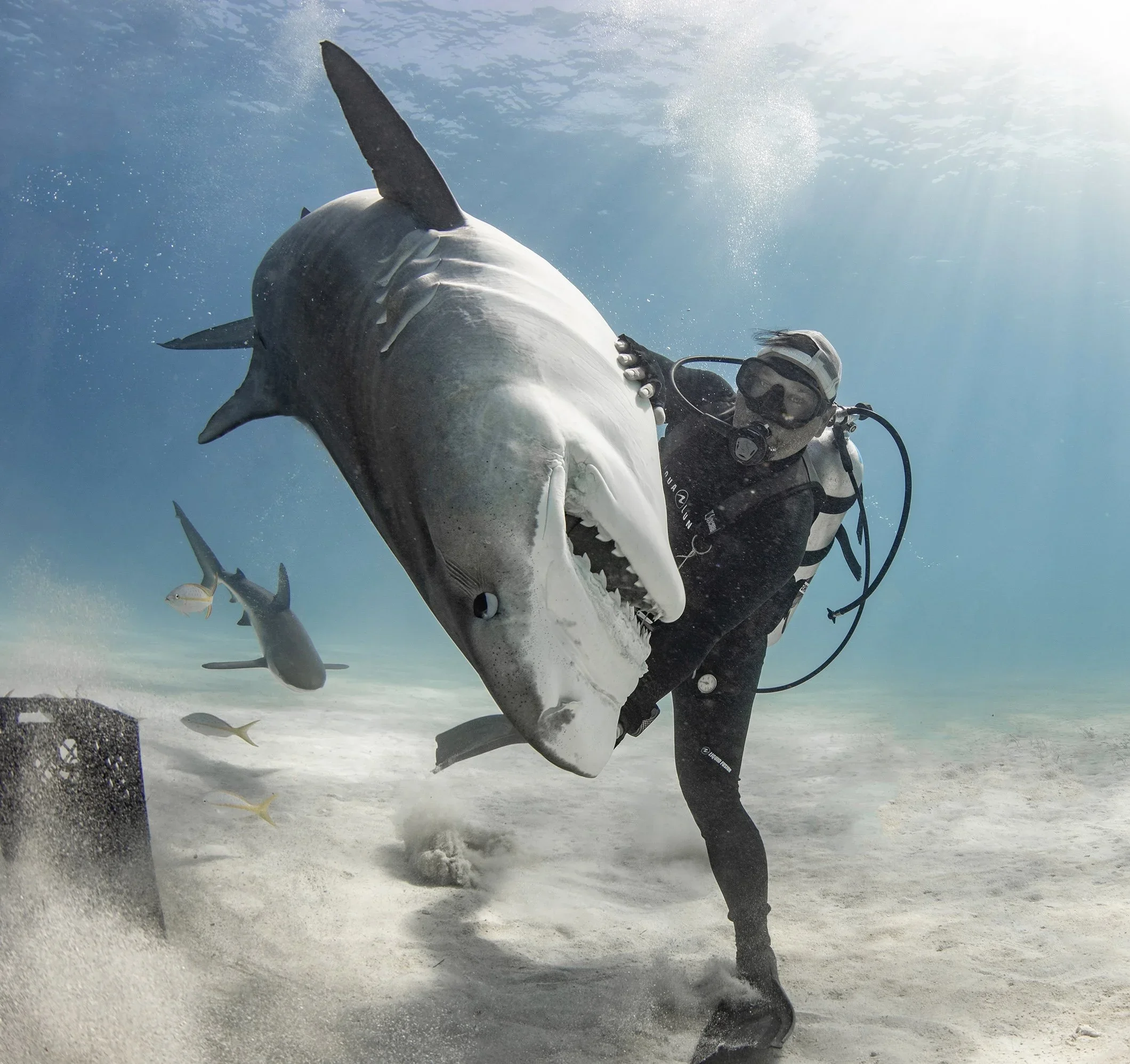
Photo Credit to SDM Adventures
Responsible shark watching ultimately also means respecting the wider marine environment.
Sharks notoriously become stressed when boats approach too closely, when swimmers or divers chase them, and even agitated when they are surrounded.
Shark tourists should always be conscious that boats should be operated carefully, engine noise should be kept to an absolute minimum, and that no evidence of a human visitors should ever be left behind.
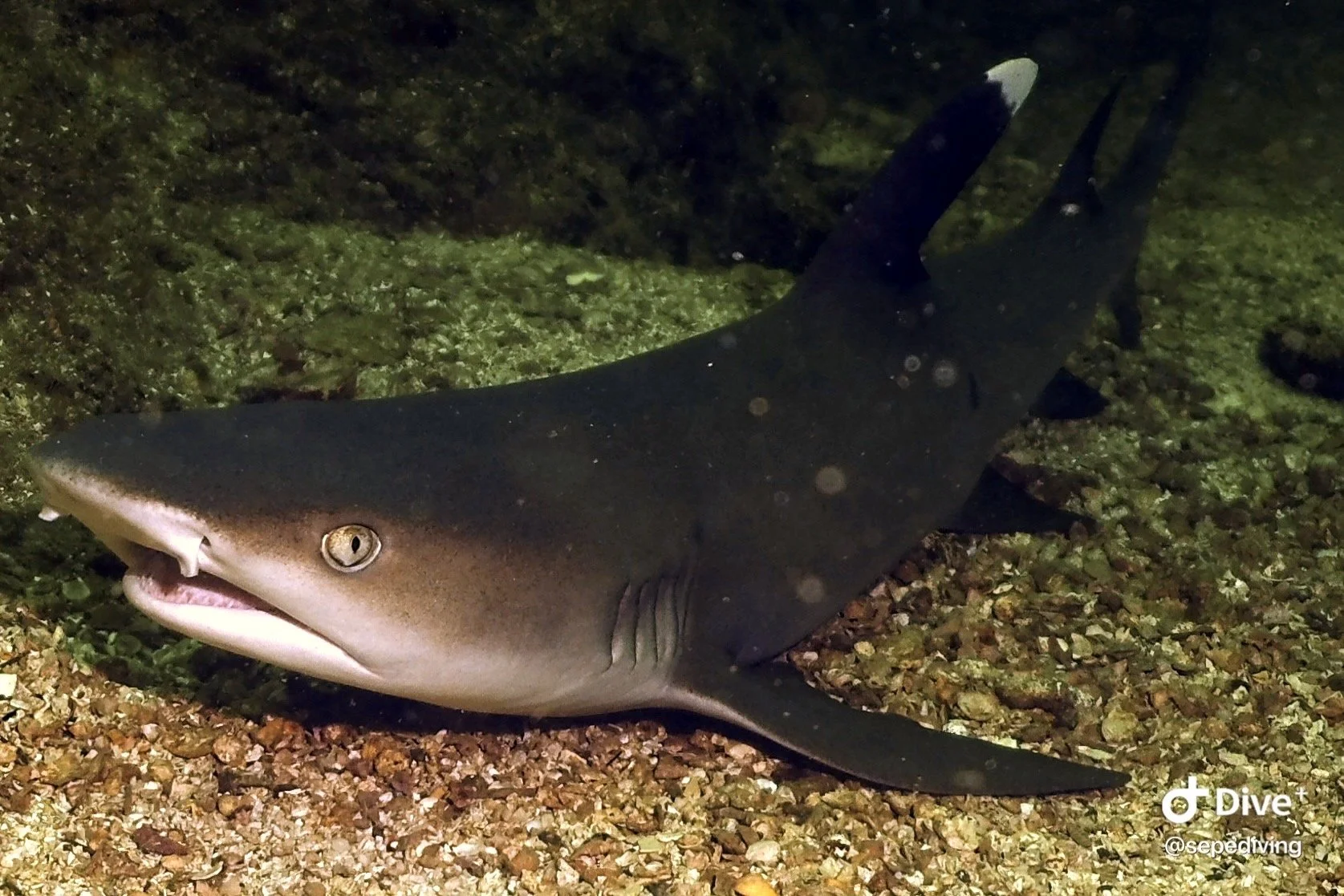
A White Tip Reef Shark - Costa Rica
All of these factors should routinely be promoted to allow land visitors to experience these incredible animals without disturbing their natural behaviours, which can catastrophically impact their feeding, resting, migration and breeding activities.
Ultimately, keeping a safe distance from sharks gives them the freedom to move and be enjoyed naturally, and reduces the risk of injury to both the animal and the observer. Touching, grabbing or attempting to ride a shark should never be encouraged, as this can damage its skin, remove its protective mucus layer and cause the animal unnecessary and prolonged distress.
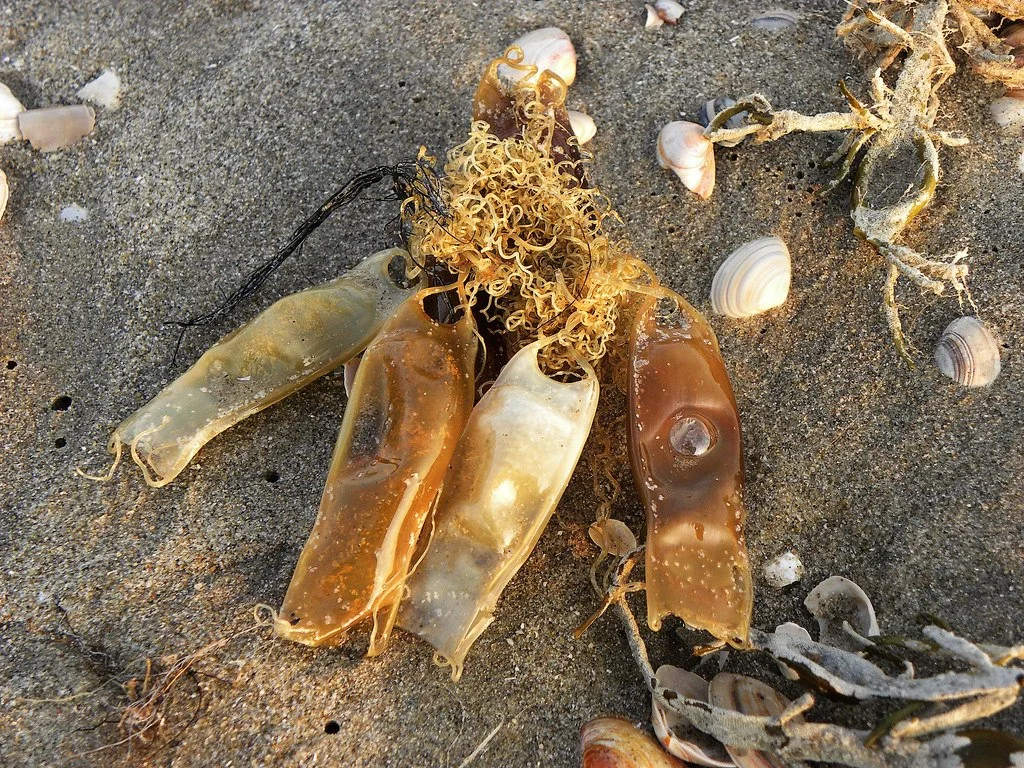
Shark Egg Cases - UK
Should We Help By Feeding Sharks?
As beautiful as sharks are (even the ones with the big, sharp teeth), and as enjoyable as it is seeing them out in their natural habitat, feeding sharks can drastically alter their behaviour by teaching them to associate boats or humans with regular food sources. This is proven to affect their natural hunting patterns and often creates safety concerns in areas regularly used by swimmers, divers or anglers.
‘Chumming’ as it is known is considered an illigal practice in most parts of the world, and had led to many diver fatalities as close to the UK as Egypt. In short, sharks should NEVER be fed simply to attract them for photographs or entertainment.
Shark Sightings Are More Important Than You Think..
If you are lucky enough to observe a shark in the wild, recording such sightings should be considered good practice, as information can easily be shared online with the Shark Trust and many other similar organisations.
Information relating to shark sightings does infact aid Shark Trust with their future work and research projects, which are often geared towards understanding current shark movements, declining population numbers or important changes to shark habitats.
By observing sharks calmly and respectfully, everyone can look to enjoy a memorable encounter while helping to protect these majestic marine animals. Good shark watching supports education, challenges negative stereotypes and helps evidence that these animals are indeed valuable wildlife deserving of our care, protection and respect.
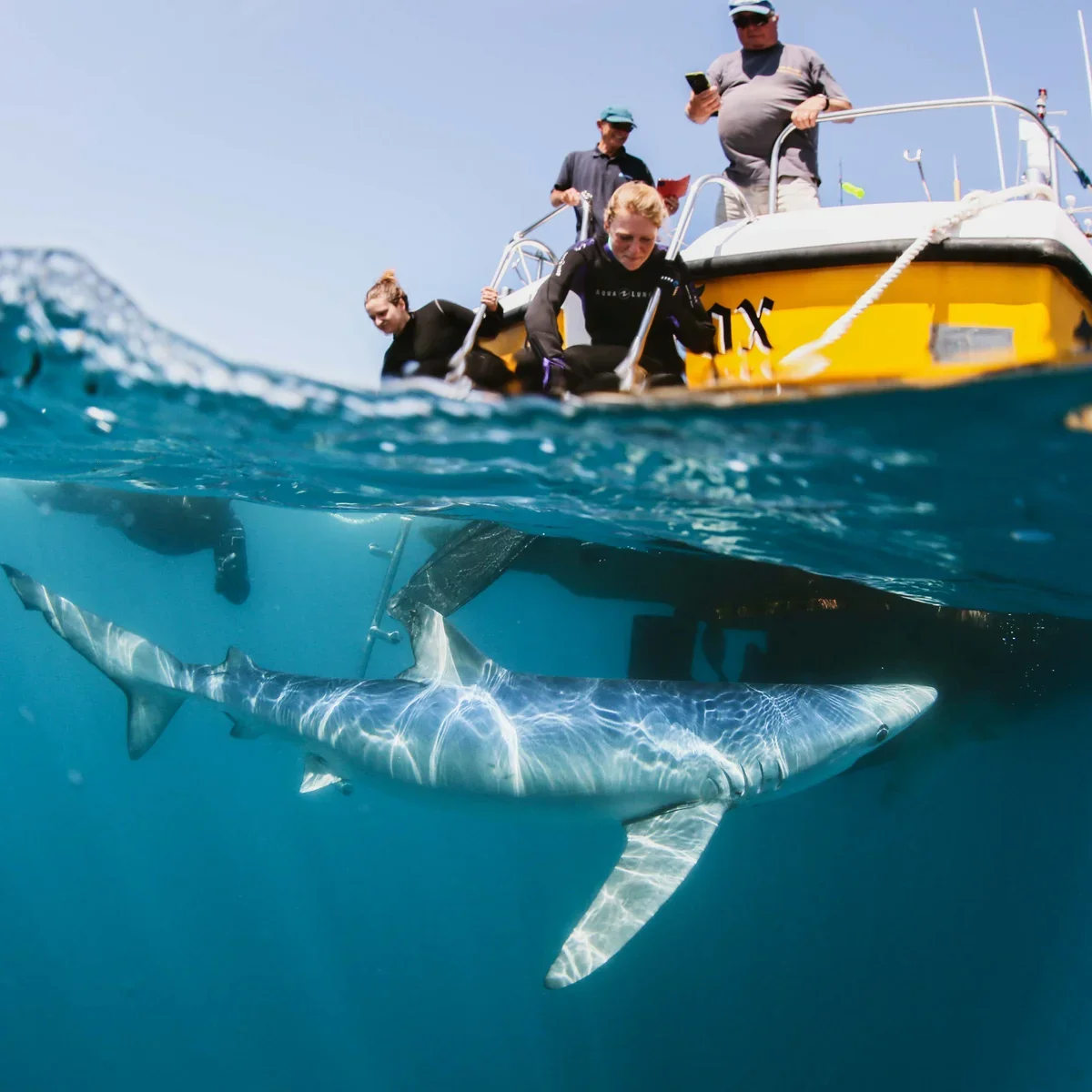
Blue Shark - UK
The SEPE Diving Mission
Over the past few years, our trips around the British Isles have given Steve, James and countless others a significantly greater appreciation of these often misunderstood and feared predators, and by continuing to observe sharks, learn and share what we discover, SEPE Diving hopes to encourage others to protect the very waters which these animals consider their home.
Essentially, the bottom line is that healthy shark populations are not only good for sharks, but are a sign of a healthier and more balanced sea for everyone.
14th July 2026 is World Shark Day, why not take some time to have a look at what you can do to help some of these fantastic charities and organisations with their amazing work:
WWF
Sea Life
PADI Shark Aware
Shark Trust
Shark Guardian
Bite Back
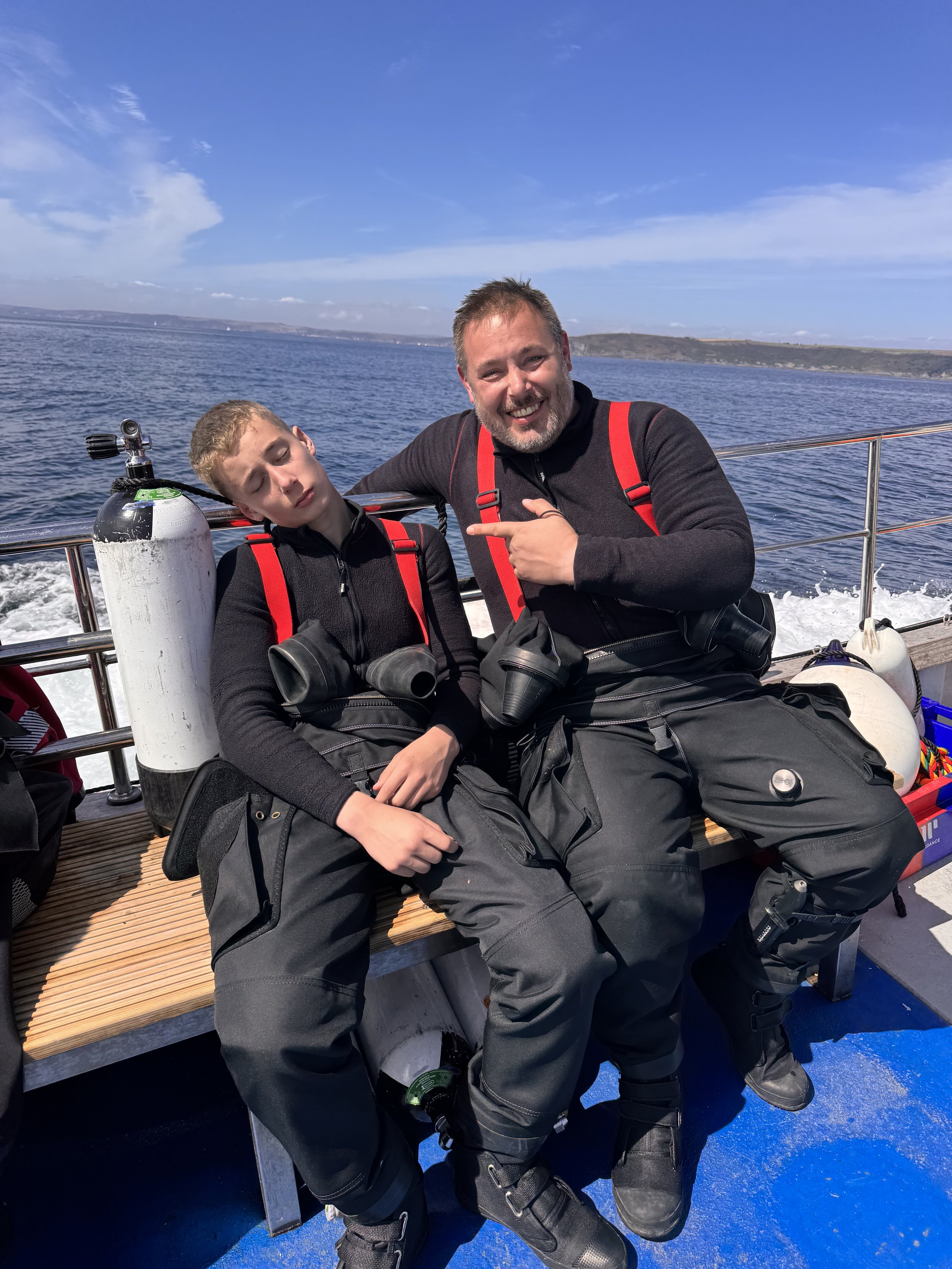
Shark spotting - Tiring work for James…